
Security
Information Overload: Why Our Brains Struggle with Constant Bad News
Information Overload: Why Our Brains Struggle with Constant Bad News
TLDR
The human brain, evolved for local threats, is overwhelmed by the global scale of modern bad news. This neurological mismatch leads to widespread news fatigue, avoidance, and psychological distress. Experts suggest managing consumption and sources, rather than avoidance, to protect mental well-being.
What happened
The human brain, inherently wired with a "negativity bias" to prioritize threats for survival in ancient, local environments, is now struggling to process the overwhelming volume of global bad news. This cognitive architecture, honed over millennia to react to immediate dangers like a rustle in the grass, is ill-equipped for the constant influx of distant conflicts, economic crises, and climate disasters delivered by modern media. Researchers observe a growing global phenomenon of news avoidance, with significant percentages of populations reporting they occasionally or often disengage from news due to feeling overwhelmed, powerless, or put in a bad mood. This response is not attributed to laziness or lack of civic interest but rather a predictable neurological reaction to an environment it was never designed to navigate. Studies show that negative words in headlines increase click-through rates, and people exhibit stronger physiological responses to negative news, indicating an automatic, pre-cognitive threat assessment. This can lead to "Problematic News Consumption" (PNC), a pattern of engagement characterized by preoccupation and disruption to daily functioning, affecting a notable portion of adults and potentially having a heavier psychological toll on minority populations. Beyond information processing, the very formation of the brain cortex involves a surprising, routine process of widespread DNA damage and repair in newborn nerve cells as they migrate through dense tissue. This mechanical stress causes double-strand breaks, the most severe type of DNA damage, which the developing brain efficiently tolerates and repairs, primarily in non-critical genome regions.Why it matters
This phenomenon carries significant implications for both individual mental health and the functioning of democratic societies. The persistent exposure to global threats, without a corresponding sense of agency, is a strong predictor of psychological distress. If citizens disengage from reliable news sources to protect their well-being, it creates a vacuum that can be filled by misleading information, further exacerbating societal challenges and making informed civic participation difficult. The brain's ancient wiring, which once served as a survival mechanism, now poses a challenge in an interconnected world where constant threat alerts can lead to burnout rather than adaptive action. Furthermore, understanding the brain's inherent repair mechanisms during development, such as the routine DNA damage and repair in migrating neurons, is crucial. This process, while normally benign, highlights the brain's remarkable resilience and provides insights into a range of neurological conditions if repair pathways fail, potentially influencing neuronal individuality and contributing to neurodevelopmental or neurodegenerative diseases.Key details
Global news avoidance reached a record high of 40% in 2025, with 69% of Canadians occasionally avoiding news. Reasons for news avoidance include bad mood, feeling overwhelmed, and a sense of powerlessness. The human brain's "negativity bias" causes it to weigh negative information more heavily, attend to it faster, and remember it longer. This bias was historically adaptive, where the cost of missing a threat was death. Modern neurological systems are processing global threats (wars, financial shocks, climate disasters) that were once local. Problematic News Consumption (PNC) affects 17% of American adults severely, with 61% reporting feeling unwell. The migration of newborn nerve cells during brain cortex formation routinely causes widespread DNA double-strand breaks. These DNA breaks are efficiently repaired within 24 hours by a pathway involving Topoisomerase IIβ and non-homologous end joining, typically without lasting functional effects. Failure of this DNA repair mechanism in mice led to progressive balance difficulties, similar to human genome instability syndromes. Ultra-thin brain implants, softer than brain tissue, have been developed to overcome the mismatch between rigid electrodes and soft neural tissue, showing stable performance for 18 months in animal trials.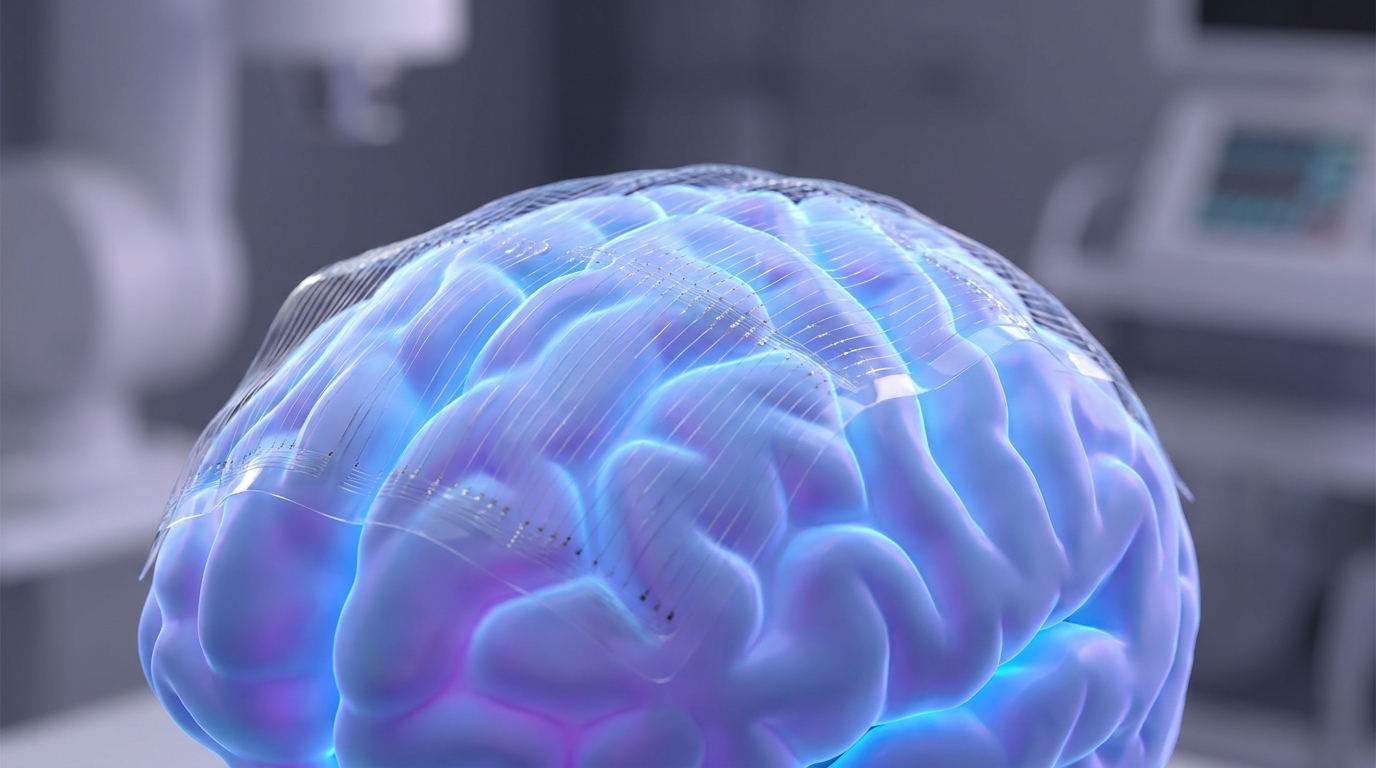
What to watch next
As individuals and societies grapple with information overload, the focus will shift towards developing more deliberate and healthy news consumption habits. This includes strategies like limiting news intake to specific times, prioritizing in-depth, reliable reporting over fragmented social media feeds, and actively distinguishing between information and actionable steps to reduce psychological distress. Furthermore, recognizing and disengaging from "rage bait"—content designed to provoke negative emotional responses for engagement—will become increasingly important for maintaining cognitive distance and mental well-being. In parallel, ongoing research into the brain's fundamental developmental processes, such as neuronal DNA damage and repair, will continue to reveal insights into neurological health and disease. Innovations in neurotechnology, like the development of ultra-thin, flexible brain implants, promise to improve the durability and effectiveness of brain-computer interfaces, offering new avenues for treating neurological disorders and enhancing human-machine interaction by better conforming to the brain's delicate structure.The SignalStack angle
This story is crucial for builders, security, and product teams right now because it highlights a fundamental human-computer interaction challenge and the delicate nature of neural systems. As we design systems that deliver information, especially critical alerts or security updates, understanding the brain's inherent negativity bias and susceptibility to fatigue is paramount. Overwhelming users with constant, undifferentiated "bad news" can lead to desensitization, avoidance, and ultimately, a failure to act on genuinely important signals. Product teams should prioritize intelligent filtering, contextualization, and clear pathways to action within their interfaces to combat problematic news consumption patterns. For security, this means moving beyond simple threat notifications to provide actionable insights, reducing cognitive load and preventing alert fatigue from becoming a critical vulnerability itself. Simultaneously, the advancements in brain interface technology, exemplified by flexible implants, underscore the ongoing quest to design technology that works with the brain's biology, rather than against it, opening doors for more effective and less invasive neural interactions.FAQ
Q What is "news fatigue"?
A News fatigue is a state of mental exhaustion and disengagement from current events, often characterized by feelings of being overwhelmed, powerless, or in a bad mood due to constant exposure to negative news. It's a predictable neurological response to the brain processing an unprecedented volume of global threats. Q Why is the human brain predisposed to focus on bad news?
A The human brain possesses a "negativity bias," an evolutionary trait developed to prioritize threats for survival. In ancient times, paying close attention to dangers was crucial for reproduction, leading the mind to weigh negative information more heavily, attend to it faster, and remember it longer than positive information. Q Does brain development involve DNA damage?
A Yes, a recent study revealed that the migration of newborn nerve cells during brain cortex formation routinely causes widespread DNA double-strand breaks. While severe, these breaks are efficiently repaired by the developing brain, primarily in non-critical genome regions, without lasting functional effects under normal circumstances. Q How are new brain implants addressing compatibility issues with neural tissue?
A New brain implants are being developed to be ultra-thin and as soft as brain tissue, unlike traditional rigid electrodes. This design minimizes microscopic movements that can cause inflammation and scar tissue, which typically degrade signal quality over time, thereby improving the long-term stability and effectiveness of brain-computer interfaces. Q What strategies can help manage news fatigue?
A Effective strategies include limiting news consumption to defined time windows, prioritizing in-depth and trustworthy sources over random social media posts, identifying actionable steps related to the news, and recognizing content designed as "rage bait" to provoke rather than inform. These approaches help create a more deliberate relationship with information.