Security
Claude AI Mandates Identity Verification for Platform Integrity
Claude AI Mandates Identity Verification for Platform Integrity
TLDR
Claude AI mandates identity verification for platform integrity and compliance. This process, in partnership with Persona Identities, requires government-issued photo IDs for specific platform access. The initiative aims to prevent abuse, enforce policies, and meet legal obligations while safeguarding user data.
What happened
Anthropic's Claude AI platform is introducing identity verification to enhance security and meet legal requirements. This new process is designed to bolster security, prevent misuse, and ensure adherence to evolving regulatory and legal obligations. This initiative underscores the company's commitment to responsible AI development by ensuring that users of its powerful technology are properly identified. The verification system is being progressively implemented for specific functionalities, as part of routine platform integrity checks, and for other safety and compliance measures. This means users may encounter a verification prompt when attempting to access certain advanced capabilities on the platform. To facilitate this, Claude AI has partnered with Persona Identities, a third-party verification service selected for its robust technology, stringent privacy controls, and comprehensive security safeguards. Users preparing for verification will need to have an original, physical government-issued photo identification readily available. Accepted forms of ID include common examples such as passports, driver's licenses, and national ID cards from most countries, provided they are clearly legible, undamaged, and include a photo of the user. Importantly, the system explicitly does not accept digital IDs, photocopies, expired documents, or non-government issued identification like student or library cards. Claude AI emphasizes that all verification data is used exclusively to confirm identity and for no other purposes, with strong protections in place to safeguard user information throughout the process. The company also clarifies that it is not using this data for marketing, sharing it with other third parties beyond Persona Identities, or retaining it indefinitely. Should a verification attempt fail, common reasons include blurry photos, unreadable documents, expired IDs, or technical issues. Users are advised to re-evaluate their submission and try again, or contact support if issues persist. Furthermore, it's important to note that an account can still be banned for policy violations even after successful identity verification, and an appeal process is available for users who believe their account was wrongly suspended.Why it matters
The introduction of identity verification by Claude AI is a significant step in the ongoing effort to ensure ethical and responsible deployment of advanced artificial intelligence. This measure directly addresses the critical need to prevent the misuse of powerful AI models, especially in light of recent concerns over "jailbreaks" and the potential for malicious applications, as seen with the temporary disabling of Anthropic's Fable 5 and Mythos 5 models due to export control directives. By implementing robust identity checks, Claude AI aims to enforce its usage policies more effectively and comply with increasingly stringent legal and governmental obligations worldwide, including those related to foreign national access to certain AI capabilities. This commitment to user accountability and platform integrity is crucial for building and maintaining public trust in AI technologies. It also sets a precedent for the broader AI industry, signaling that as AI capabilities grow, so too must the frameworks for ensuring their safe and compliant operation, potentially influencing other platforms to adopt similar verification standards.Key details
Claude AI's identity verification is a new measure to ensure responsible use of its powerful technology and prevent abuse. The system is being progressively implemented for specific functionalities, platform integrity checks, and compliance efforts. Anthropic has partnered with Persona Identities, selected for its robust technology, privacy features, and security protocols. Users must provide original, physical government-issued photo identification, such as passports or driver's licenses. Unacceptable forms of ID include digital copies, non-government documents, and expired or damaged identification. Verification data is exclusively used to confirm identity and is not repurposed for marketing or shared beyond the verification partner. Failed verification attempts can result from issues like unclear photos, unreadable documents, or outdated IDs. Accounts can still be banned post-verification if usage policies are violated, with an appeal process available for suspended users.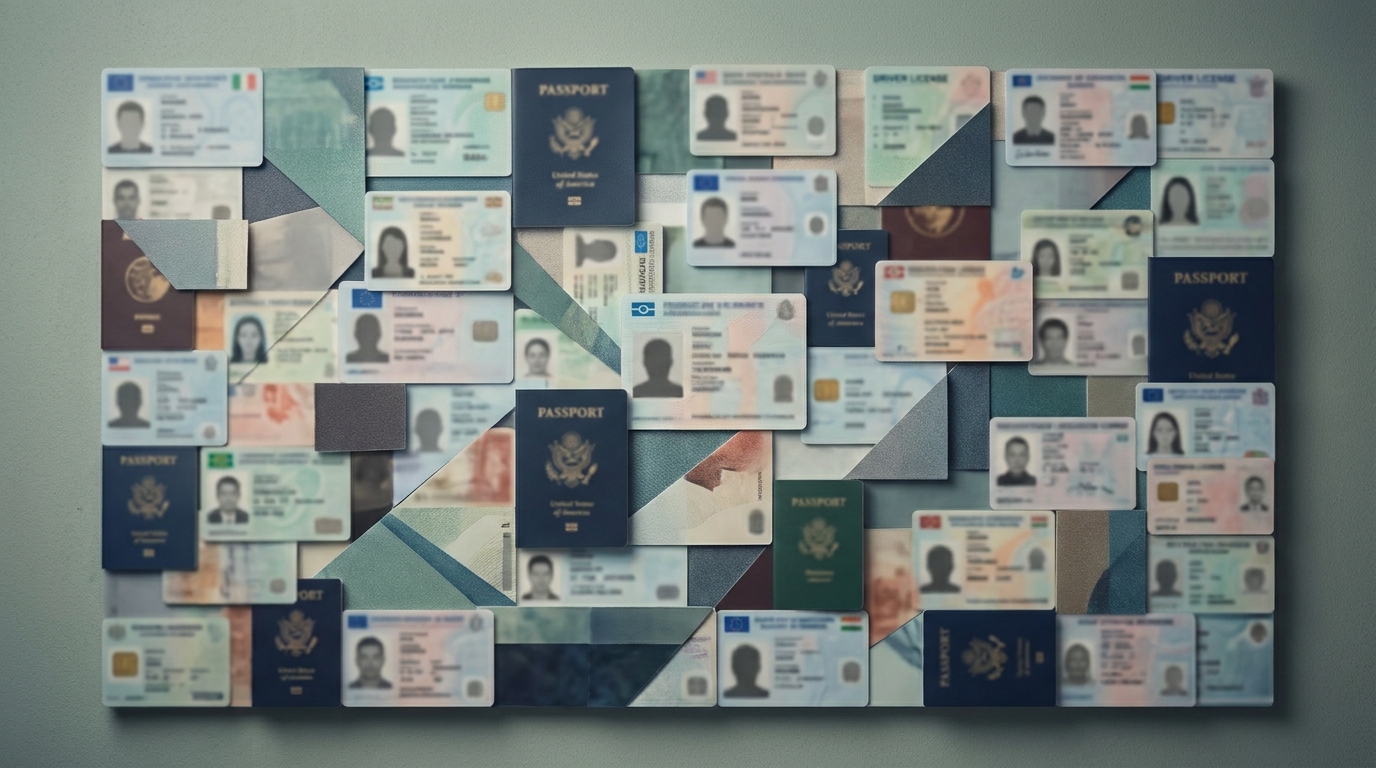
What to watch next
Observe how widely this verification process is adopted across Claude's user base and features, and how it impacts access to advanced AI models. Monitor industry responses, as other AI providers may follow suit with similar identity checks to meet regulatory demands. Watch for potential integration with emerging digital ID solutions, like Apple Wallet's Digital ID, for streamlined verification processes. Track any updates to government regulations regarding AI usage and export controls, which could further influence verification requirements and global access.The SignalStack angle
This strategic move by Claude AI to implement identity verification is a critical development for anyone building with, or on, AI platforms. For builders, it underscores the accelerating trend towards a more regulated and accountable AI ecosystem, suggesting that robust identity and access management will become foundational, not optional, for deploying powerful models. Security teams should view this as a clear signal that the burden of user verification is shifting to AI providers, requiring them to evaluate new vendor partnerships like Persona Identities and integrate these layers seamlessly. Product teams must now consider the user experience implications of such verification gates, balancing enhanced security with streamlined onboarding. This moment highlights the industry's pivot from rapid, unconstrained innovation to a phase prioritizing safety, compliance, and responsible deployment, compelling all stakeholders to reassess their operational and ethical frameworks for AI.FAQ
Q Why is Claude AI implementing identity verification?
A Claude AI is implementing identity verification to prevent abuse of its platform, enforce usage policies, and comply with legal obligations, ensuring responsible use of its advanced technology. Q What types of identification are accepted for verification?
A Claude AI accepts original, physical government-issued photo IDs from most countries, including passports, driver's licenses, and national ID cards, provided they are legible, undamaged, and include a photo of the user. Q How is my personal data protected during the verification process?
A Claude AI has partnered with Persona Identities, a verification provider chosen for its strong privacy controls and security safeguards. The company states that verification data is used solely to confirm identity and is not shared for other purposes or retained indefinitely. Q What happens if my identity verification fails?
A If verification fails, often due to issues like blurry photos, unreadable documents, expired IDs, or technical problems, users are advised to review the requirements and reattempt the process. Repeated failures may require contacting support. Q Can my account be banned even after successful identity verification?
A Yes, an account can still be banned after successful verification if it violates Claude AI's usage policies. Users who believe their account was wrongly suspended can use the appeal process available through the platform.