Tech
Vercel Confirms Security Breach Stemming from Third-Party AI Tool Compromise
In focus: Vercel disclosed an April 2026 security incident in which attackers reached internal systems via a third-party AI tool path tied to an employee’s Google Workspace account. Below we separate what the bulletin confirms from what teams should assume for rotation, map the variable-classification lesson, and place the event in a broader OAuth / supply-chain context—not a vendor endorsement or legal summary.
SignalStack · Security / platform risk · April 20, 2026
Key takeaways
01 · Catalyst
02 · Tape
03 · Watch
Incident catalyst: the Context.ai path
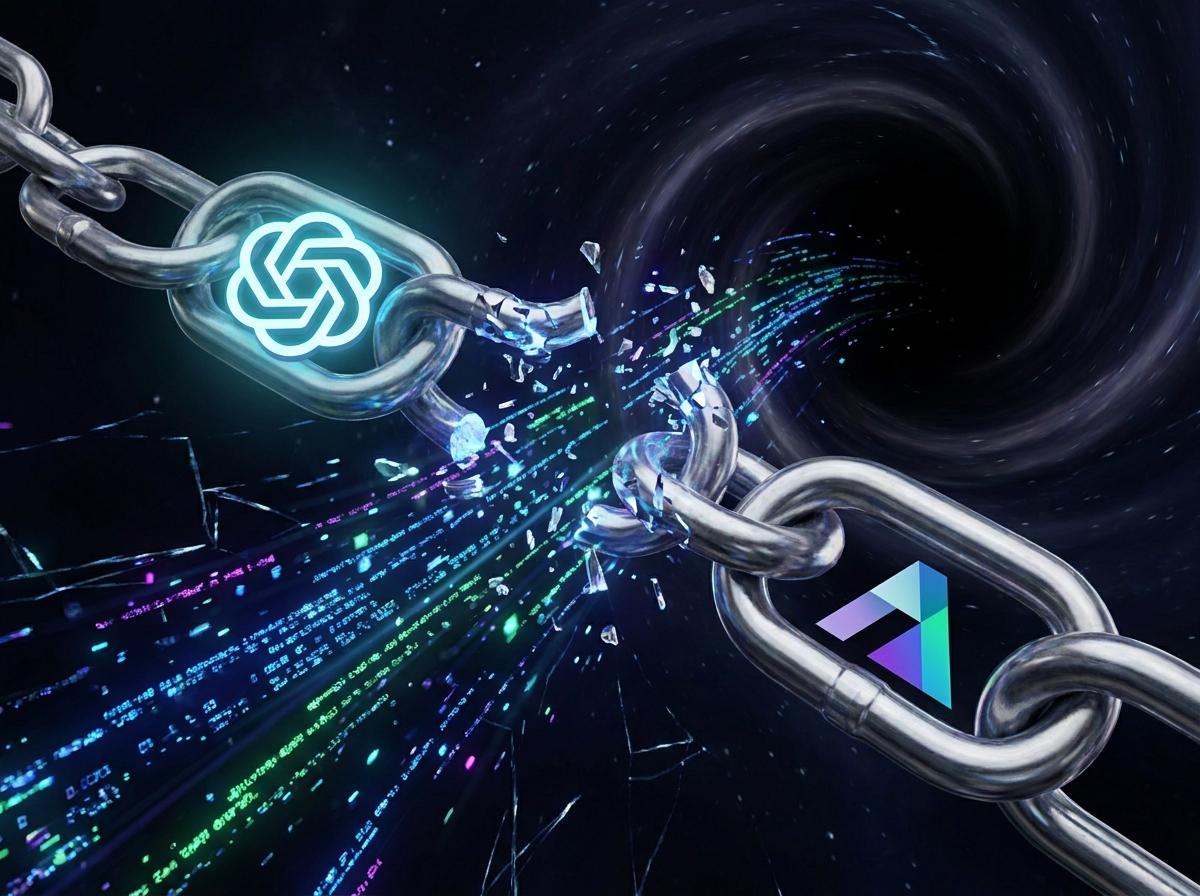
Vercel’s public narrative describes a supply-chain sequence: a compromise involving Context.ai (a third-party AI tool used by an employee), takeover of that employee’s Vercel-linked Google Workspace identity, then lateral movement into Vercel environments and enumeration/decryption of non-sensitive customer environment variables—keys that were stored such that they could be read in this attack flow. The bulletin stresses engagement with incident responders, law enforcement, and vendors including Context.ai.
SignalStack angle: In modern cloud programs, least-trusted OAuth is often the real perimeter—your security posture is bounded by the weakest trusted SaaS-to-SaaS integration.
The tape: variable classification & impact
The highest-signal distinction for defenders is how secrets were labeled in the product:
- Sensitive variables — Encrypted at rest; Vercel states no confirmed evidence of access to these in the incident scope described in the bulletin (continue monitoring as the investigation evolves).
- Non-sensitive variables — Reported accessed by the attacker. Treat these as potentially equivalent to exposed credentials if teams used the field for API keys, tokens, or connection strings but skipped the sensitive flag.
- Core OSS — Vercel states npm packages published by Vercel were verified with ecosystem partners as not compromised; Next.js / Turbopack lines are called out as unaffected in the sense of this supply-chain tampering concern.
For OAuth / Workspace hunting, use the Indicators of compromise (IOCs) section on Vercel’s official bulletin—copy identifiers from there, pair with admin activity logs and OAuth grant reviews. IOCs support correlation, not automatic conclusions.
Incident snapshot (figures)
At-a-glance synthesis from Vercel’s April 2026 bulletin—verify on the live page before operational decisions.
| Area | What is known | Operational implication |
|---|---|---|
| Initial access | Compromised Context.ai path → employee Workspace → internal Vercel systems | Review OAuth app trust, consent screens, and token exposure paths |
| Data impacted | Non-sensitive env vars reported accessed | Re-classify secrets; rotate downstream tokens as priority |
| Protected scope | Sensitive encrypted variables not confirmed accessed | Maintain monitoring until forensic closure |
| OSS / npm | Published packages reported not tampered | Keep separate from tenant secret exposure workstreams |

Bull vs bear case: platform trust
Question: Will this incident cause lasting enterprise churn away from Vercel—or read as a bounded identity/supply-chain crisis with a clear playbook?
Bull case (resilience)
- Rapid public bulletin, law-enforcement notification, and named IR partners signal mature response.
- npm / OSS tampering ruled out in collaboration with ecosystem partners—reduces supply-chain panic for framework consumers.
- Product roadmap emphasis on env-var UX and team-wide security views may raise the floor for all tenants.
Bear case (erosion)
- If investigations later show high-value secrets lived in non-sensitive fields, blast-radius narratives widen.
- Enterprises already eyeing self-hosted CI/CD or stricter isolation may accelerate migration on trust, not only cost.
- Any future finding of expanded credential scope would reopen procurement and audit conversations.
What to watch next
- Official bulletin updates — Vercel may move to ad-hoc cadence; subscribe on their KB page.
- Env-var product changes — stronger defaults, sensitive marking, and team-wide visibility (per Vercel “product enhancements” section).
- Workspace OAuth governance — enterprise-wide reviews of AI tooling attached to production-adjacent identities.
- Independent verification — align public claims with your own logs, rotations, and vendor attestations.
SignalStack analysis
In our view, the operational lesson is governance velocity: third-party AI assistants and automation must sit inside the same least-privilege and OAuth review regime as CI deploy keys. Deleting a Vercel project without rotating secrets first does not remove leverage—Vercel explicitly warns that compromised secrets may still work elsewhere. Pair containment with deployment protection settings and activity-log review as the bulletin recommends.
FAQ
Educational context only — not legal or security advice for your organization.
Q What should Vercel customers do right now?
A Follow Vercel’s checklist: rotate credentials that could have been exposed (especially anything stored as non-sensitive), move operational keys into sensitive variables where supported, audit Google Workspace for the published OAuth IOC, review activity logs and suspicious deployments, and tighten Deployment Protection. Third-party walkthroughs (e.g., juliet.sh below) can complement—but not replace—the official bulletin.
Q Why were some variables accessed but not others?
A Vercel separates sensitive values with stronger protection at rest; values not marked sensitive were in scope for the disclosed access path. Misclassification is a common failure mode when teams optimize for speed over labeling discipline.
Q Were Next.js or Turbopack compromised?
A Vercel reports core OSS projects such as Next.js and Turbopack as unaffected by this incident class, and coordinated checks with npm/GitHub/Socket supported no npm package tampering for Vercel-published packages.
Q What caused the incident?
A Per Vercel’s bulletin, the chain began with compromise related to Context.ai, pivot through an employee’s Google Workspace account, then access into Vercel systems—details evolve; anchor on the official bulletin.
General disclaimer. This article is for general information and education only. It is not legal, investment, or bespoke security advice for your systems. Incident facts change; rely on Vercel’s official channels and your own advisers for compliance and incident handling.
Primary sources & security bridge
Updated May 2026. Prefer issuer-primary bulletins for timelines; independent write-ups add operational color.
- Vercel security bulletin (official): Vercel April 2026 security incident — narrative, recommendations, IOCs, product enhancements.
- Customer remediation guide (independent): Vercel April 2026 incident: what customers should do — rotation and governance framing (cross-check with Vercel).
- Cross-sector supply chain (SignalStack): LiteLLM PyPI compromise — package-registry blast radius; Axios npm supply-chain attack — CI/npm parallels.
Bridge to this analysis — Use the official bulletin for who is impacted, what rotated, and IOCs; use independent guides for checklists and org-specific prioritization. Compare OAuth-heavy SaaS incidents across vendors: the pattern—third-party tool → identity takeover → cloud control plane—recurs whether the label is “AI copilot” or “legacy OAuth integration.”
Further reading
- Vercel April 2026 security bulletin (official KB — subscribe for updates)
- juliet.sh — customer action list (independent)
- Supply-chain attacks on AI-facing dependencies (SignalStack)
- OAuth governance, secret classification, and deployment protection — internal security standards documentation for your org