Engineering
macOS 26 Window Corners: Visual Drift, SIP Risk, and Third-Party Chrome Hacks
TLDR
SignalStack Tech Report · March 28, 2026 · Engineering / macOS / UX
Why this is on SignalStack: we cover platform trust and security posture when “polish” collides with SIP and injection—a textbook case of cosmetic goals creating dangerous habits.
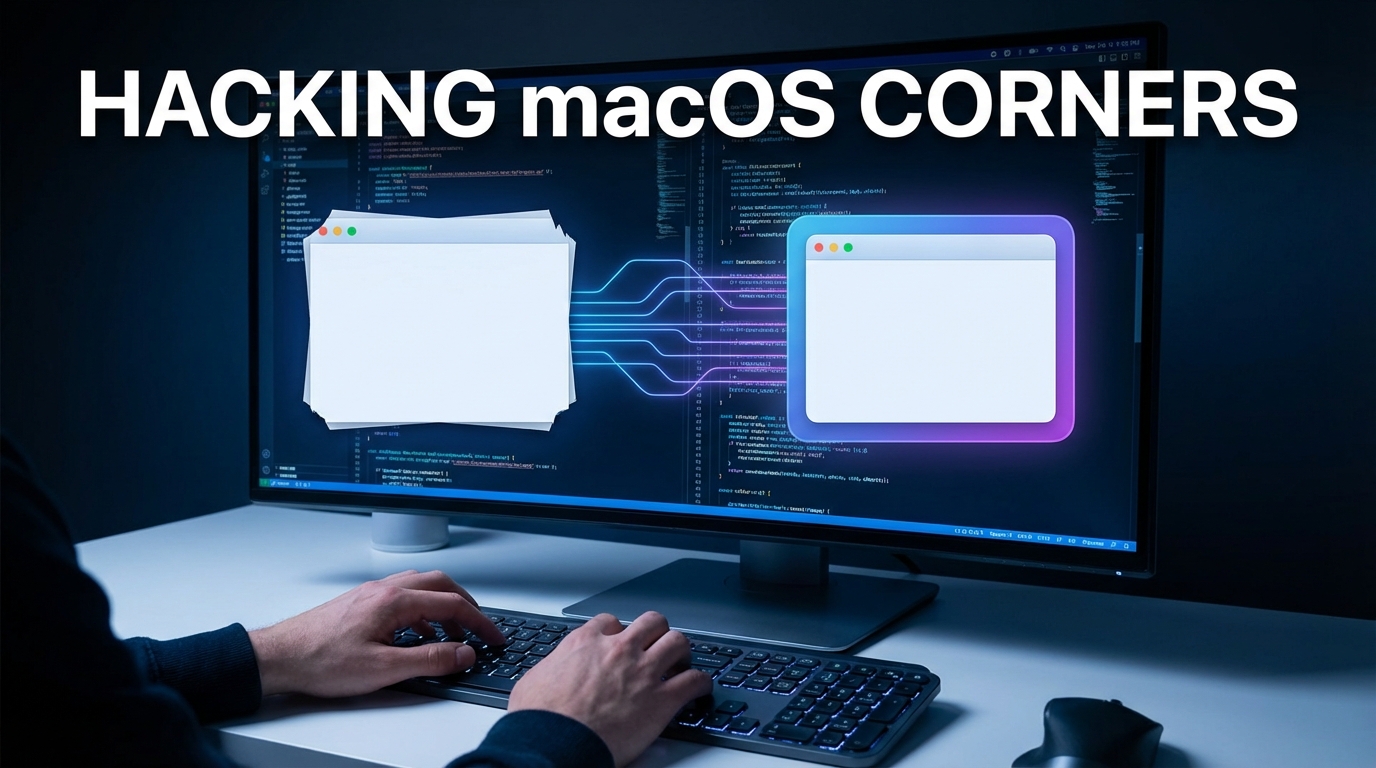
After macOS 26, many users noticed window corners that do not match: some apps look heavily rounded, others sharper or with a different radius, so the desktop feels visually uneven.
Early “fixes” in old troubleshooting posts sometimes pointed at turning off System Integrity Protection (SIP) to patch system libraries—a high-risk trade for a cosmetic issue.
A later write-up described a narrower idea: inject a signed dynamic library into third-party GUI apps and swizzle AppKit window-chrome methods so those apps share one corner radius, without the same SIP-off path described for library hacks.
- Pain point: inconsistent window corner radii across apps on macOS 26 (also a cognitive-load / polish signal—see primary sources)
- Bad pattern: SIP disabled to chase pixel-perfect chrome—risks go beyond “weaker antivirus”; think SSV integrity, update/repair paths, and platform security posture on Apple Silicon
- Narrower direction (described): user-space dylib + method swizzling on third-party apps only—often contends with Hardened Runtime / library validation, not a guaranteed path
What happened
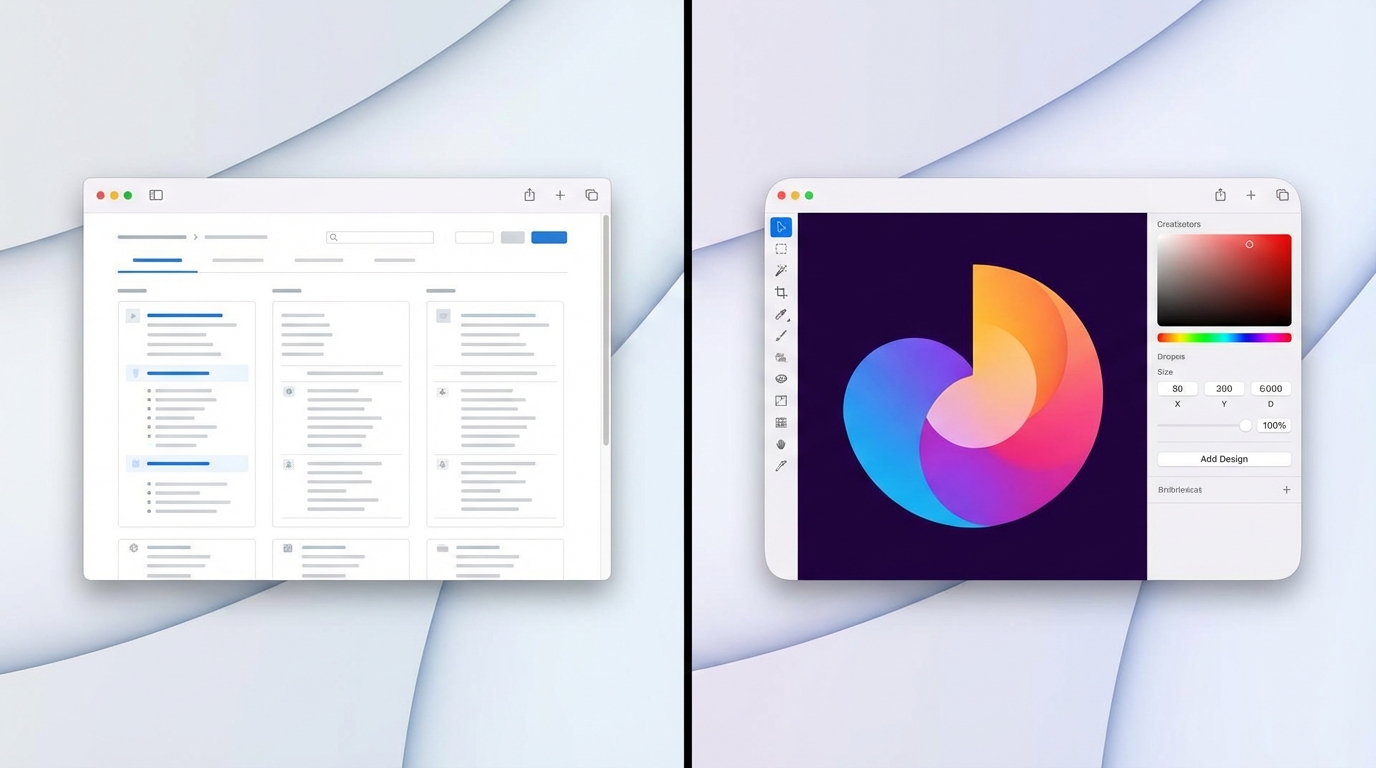
macOS 26 landed with renewed attention on small chrome details. In practice, not every window follows the same corner language: system apps such as Safari may read as “more rounded,” while other windows sit on a different curve or a flatter look. The mismatch is subtle per window but loud when you tile or alt-tab a lot.Design-minded users and developers called it out as polish regression—especially on a platform where uniform chrome used to feel like a default.
Some guides escalated to invasive mitigations, including advice that would weaken SIP so people could replace or patch protected system pieces. That class of change widens the blast radius if anything else goes wrong on the machine.
The source article argues for a different goal: instead of fighting Apple’s radius everywhere, standardize third-party apps toward one radius (for example ~23pt in the described build) using a loadable library and Objective-C swizzling on NSThemeFrame helpers such as cornerRadius, getCachedWindowCornerRadius, topCornerSize, and bottomCornerSize.
Deployment, as outlined, involves building and signing the dylib, placing it where launchctl can load it with a plist, and scoping impact to non-Apple GUI apps so system surfaces are left alone.
Why it matters
Uniform UI chrome is a trust signal. When corners disagree, the OS feels assembled rather than designed—even if nothing is “broken” functionally. HCI practice often treats **consistent window chrome** as part of predictability; needless variance tends to raise **perceived cognitive load** (more “which app am I in?” moments), which is why polish regressions matter beyond taste.Apple’s choices also echo outward: other apps mimic macOS language, so uneven defaults can spread as “whatever ships.”
The SIP angle is the serious part. Disabling System Integrity Protection is not merely “security feels softer”: it weakens assumptions around system volume protection (including Apple’s Sealed System Volume model), can interfere with trusted update and repair flows, and shifts the machine toward policy states security teams summarize as materially weaker—especially alongside Apple Silicon boot-security settings when people chase unsupported workflows. Turning off core integrity for aesthetics normalizes habits that are hard to roll back cleanly.
Even the narrower dylib story is not free: modern binaries often ship under Hardened Runtime with library validation semantics that treat injection as out-of-policy—DYLD_INSERT_LIBRARIES and similar hooks are commonly blocked unless entitlements explicitly allow them. Forum recipes that escalate to kernel boot-args (for example attempts to neuter AMFI enforcement) trade short-term “make it load” for long-lived platform compromise. That is a different category of mistake than “my corners look mismatched.”
A compromise that keeps SIP on and limits scope to user-launched third-party code is easier to reason about than SIP-off library surgery—but any injection still carries support, stability, and signing-policy caveats.
Key details at a glance
| Area | Detail | Risk / note |
|---|---|---|
| Symptom | Mixed corner radii across apps on macOS 26 | Subjective polish; not a functional bug by itself |
| High-risk fix (community) | Disable SIP to patch system libraries | Large integrity and recovery blast radius |
| SIP-off downside | Weaker root/system protection assumptions | Poor trade for visuals alone |
| Narrower approach (described) | Dylib + Objective-C swizzling on NSThemeFrame in third-party apps | Often blocked by Hardened Runtime / library validation; still unofficial |
| Bypass escalation (avoid) | Boot-args / AMFI-weakening folklore | Extreme blast radius—do not normalize |
| Example hooks | cornerRadius, getCachedWindowCornerRadius, topCornerSize, bottomCornerSize | Implementation detail from cited write-up |
| Example radius | ~23 pt in cited build | May not match future OS themes |
| Scope | Skip Apple system apps in described flow | Reduces but does not eliminate support risk |
| Deploy sketch | Sign dylib, install, launchctl plist (per article) | Operational burden + security review needed |
What to watch next
- Apple response — Point releases or design tweaks that unify chrome versus leaving the field to unofficial tools.
- Security stack interaction — Library validation, notarization, hardened runtime versus long-lived injection workflows.
- Packaged tooling — Third-party utilities with clearer UX and explicit “unsupported” disclaimers.
- Community norms — Discouraging SIP-off steps for cosmetic patches unless users understand full recovery paths.
The SignalStack angle
What we are not doing: endorsing dylib injection or SIP changes. What we are doing: comparing blast radius—system-wide integrity off versus scoped, user-launched third-party hooks.
1. Uniform chrome is a trust signal
When corners disagree, the OS feels assembled rather than designed. SignalStack’s read: Apple’s design tokens echo across the ecosystem; uneven defaults propagate.
2. Cosmetics are not worth tier-0 risk
Turning off SIP for aesthetics normalizes dangerous habits. Any unofficial mitigation should be weighed against support, updates, and threat model—even if scope is narrower than full SIP-off.
Disclaimer: Third-party hooks can break on OS updates; Apple does not support them.
Context & primary sources
Official Apple documentation should anchor any decision that touches SIP, signing, or injection. SignalStack links a minimal set—enough to brief security peers without drowning the UX story.
- SIP — Apple Support: What is System Integrity Protection?
- Hardened Runtime — Apple Developer: Hardened Runtime (why library injection is often policy-blocked).
- Window chrome — Apple Design: Human Interface Guidelines — Windows.
- Objective-C dynamism (swizzling context) — Apple Archive: Objective-C Runtime Guide — Dynamic Method Resolution.
- Dylib injection mechanics — independent analysis: theevilbit — DYLD_INSERT_LIBRARIES deep dive (restrictions, hardened runtime interaction).
- macOS filesystem / platform evolution — Eclectic Light Company: eclecticlight.co (long-form articles on Apple silicon OS plumbing—use site search for SSV/S snapshot topics).
- Risk governance bridge — NIST: NIST Cybersecurity Framework (language for weighing cosmetic convenience versus control effectiveness—not macOS-specific).
Bridge: read SIP + Hardened Runtime together when evaluating injection lore; use HIG Windows when filing Feedback with Apple; use NIST CSF when explaining blast radius to non-engineering stakeholders.
FAQ
Q What is the actual complaint?A Windows on macOS 26 often disagree on corner roundness, so the desktop looks inconsistent app to app.
Q Why is SIP a big deal here?
A Disabling SIP removes a core integrity layer around protected system content—including mechanisms tied to Sealed System Volume expectations—and can make updates and recovery far messier. On Apple Silicon, weaker boot-security posture is sometimes part of the same conversation. It is a poor trade for visual tweaks unless you fully accept security, support, and operational consequences.
Q What does library validation have to do with dylibs?
A Apple’s Hardened Runtime and library validation policies are designed so untrusted code cannot easily inject into a signed app’s process. Many “just inject a dylib” recipes fail unless developers explicitly opt in with entitlements—pushing some users toward dangerous boot-arg folklore instead of accepting “won’t load.”
Q I saw advice about boot-args and AMFI for injection—serious?
A Yes—and out of proportion for chrome. Some threads point at kernel boot arguments that weaken Apple Mobile File Integrity (AMFI) checks (colloquially named in security write-ups with phrases like “get out of my way”). That is platform-tampering, not a theme tweak: it widens attack surface and departs from any reasonable support model.
Q What does the dylib approach change?
A It aims to reshape only third-party GUI app chrome via swizzling, leaving Apple system apps out of the hook set—narrower blast radius than patching system frameworks, but still out-of-band, often blocked by runtime policy, and unsupported.
Q Does Apple endorse this?
A No. Treat any injection as experimental: updates can break it, and Apple Support will not cover it.
Q Is “more rounded everywhere” the only aesthetic outcome?
A In the cited write-up, the author leans into making third-party windows consistently more rounded rather than flattening Safari-like curves.