Austin Supply Surge vs. Peer Metros: Rents, Permits, and the Housing Math
TLDR
SignalStack Tech Report · March 19, 2026 · Policy / Urban Economics / Housing
Why this is on SignalStack: we connect macro constraints—permits, zoning, delivery pipelines—to everyday outcomes for workers and employers, without reducing cities to single-vendor stories.
Austin’s construction surge has pushed rents down even while many major U.S. metros remain expensive.
The core takeaway is straightforward: when housing supply scales fast enough, rent pressure can ease.
The Austin-San Francisco contrast suggests that underbuilding and permitting bottlenecks matter more than pricing software narratives.
What happened
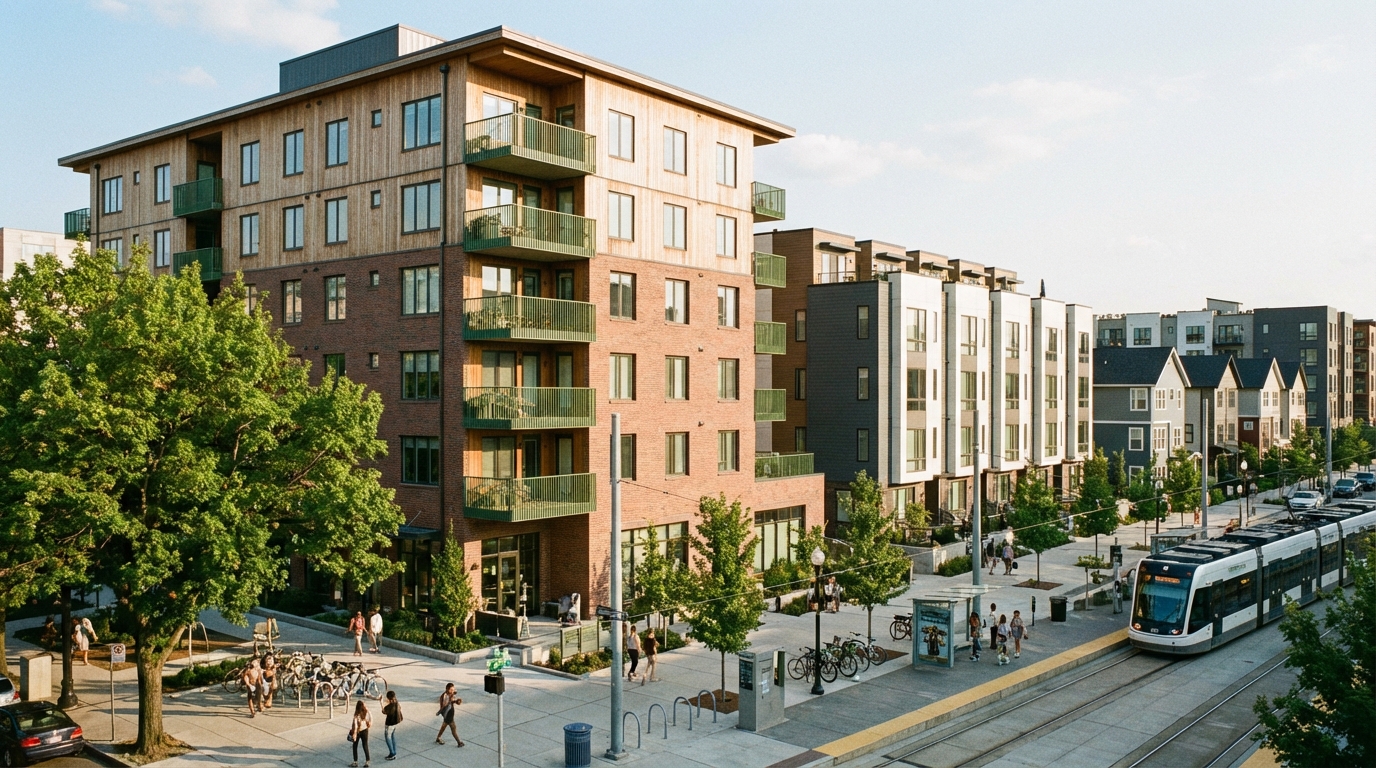
Austin's rental market has shifted from landlord-friendly to renter-friendly after a large wave of new apartment deliveries. Average rents fell by 4.8% year over year in the data we cite, while new supply continued to enter the market at a pace that outperformed peer metros.Between 2021 and 2023, the city permitted unusually high per-capita apartment volume. In the latest 12-month window, around 17,000 units were delivered, and roughly 15,755 more were still under construction.
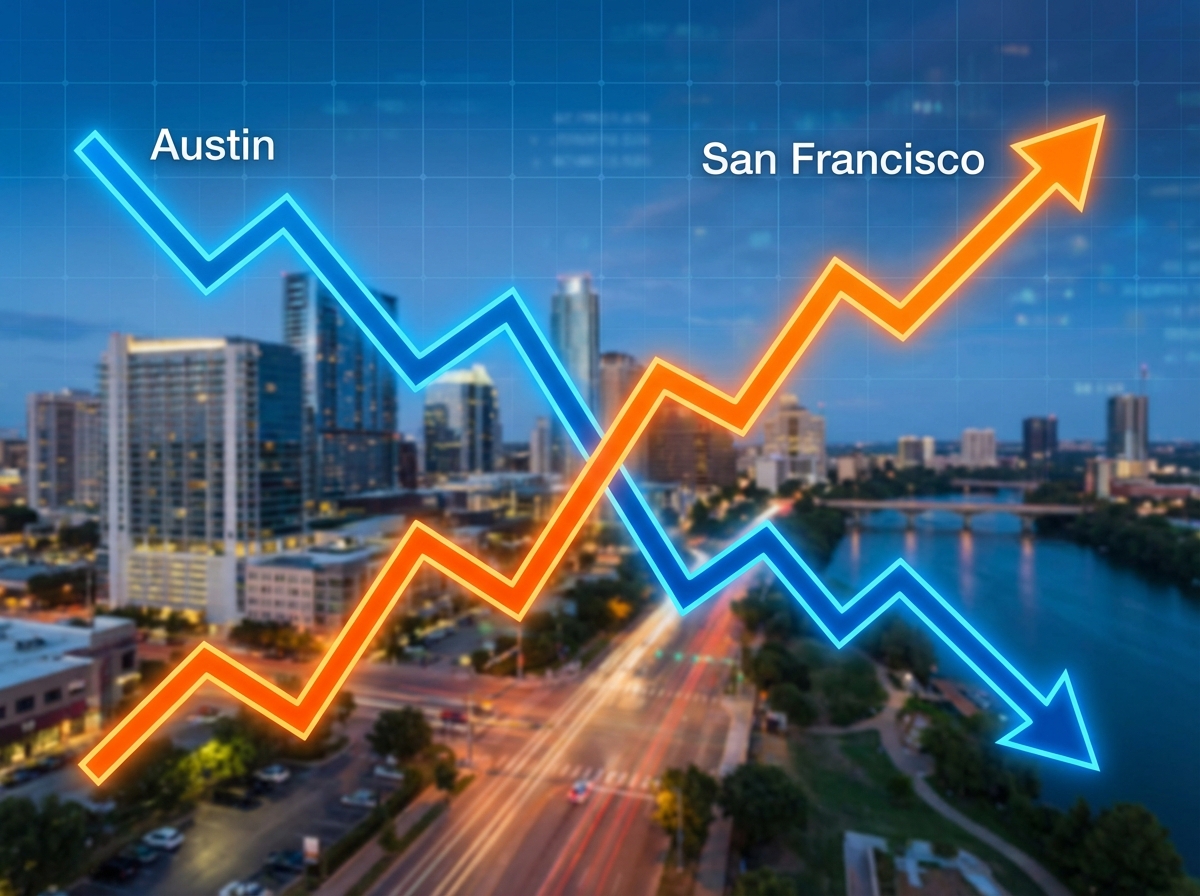
This dynamic diverged from San Francisco, where rents rose despite restrictions on rental-pricing technology. In that market, much lower new supply and renewed demand from AI-linked hiring kept vacancy pressure tighter.
Taken together, the pattern reinforces a simple market read: in housing, price outcomes follow supply-demand balance more than any single software tool.
Why it matters
For cities facing affordability stress, Austin offers a practical policy signal. Expanding supply through approvals and buildable capacity can directly improve renter outcomes without waiting for slower structural changes.It also reframes a common debate. Rather than treating technology as the main cause of rent inflation, the evidence here points to long-term underbuilding, zoning constraints, and weak delivery pipelines as stronger drivers.
This matters for economic competitiveness too. Regions that allow homes to be built near jobs are more likely to retain workers, reduce displacement pressure, and keep growth inclusive.
Key details at a glance
Austin rents declined by about 4.8% year over year, landing near $1,500 monthly by early 2025.The city permitted roughly 10 new apartments per 1,000 residents from 2021 to 2023, among the strongest rates in Texas.
Developers delivered around 17,000 units in the latest year, with about 15,755 additional units in the pipeline.
San Francisco rents increased about 6.3% year over year, averaging near $3,380, while annual delivery remained much lower.
Only about 1,600 new units were delivered there in the same period, tightening supply amid AI-era demand growth.
The U.S. housing gap is still estimated in the millions, with one benchmark around 4.7 million units nationally.
Debates around algorithmic pricing continue, but cross-city outcomes remain more consistent with supply constraints and permitting intensity.
What to watch next
- Austin absorption — Next 12–18 months of deliveries; whether moderation persists if supply stays elevated.
- Peer metros — Zoning, permitting speed, and land-use reform in high-cost markets.
- National bottlenecks — Permit timelines, infrastructure coordination, and multifamily financing conditions.
The SignalStack angle
What we are not doing: blaming one software category for national rents. What we are doing: privileging stock and flow of housing over narrative shortcuts.
1. Prices follow supply and demand
Cross-city comparisons in reporting point to delivery volume and vacancy conditions as stronger levers than a single pricing algorithm headline.
2. Competitiveness is regional
Worker retention and inclusive growth track whether homes can be built near jobs. SignalStack’s read: housing policy is economic infrastructure.
Disclaimer: Figures come from published reports (e.g. Pew); confirm with primary sources and current market data.
FAQ
Q Is pricing software the main reason rents rise? A Current cross-market evidence suggests it is not the primary driver. Supply constraints and vacancy conditions usually explain more of rent direction.Q Why did Austin cool while San Francisco stayed hot? A Austin added much more housing relative to population, while San Francisco delivered fewer units during a demand rebound tied to AI hiring.
Q What policy lever moves affordability fastest? A In most cases, increasing buildable housing capacity and accelerating approvals have the most direct effect on medium-term rent pressure.
Q How large is the U.S. housing shortage? A Estimates vary by methodology, but widely cited figures place the national shortfall in the multi-million-unit range.