Anthropic Closes the Subscription Backdoor for OpenClaw-Style Agents
TL;DR
SignalStack Tech Report · April 2026 · Policy / Developer tools / AI agents
Why this is on SignalStack: this is not a release note. It is a pricing-and-product boundary move: flat-rate consumer subscriptions were being used as cheap fuel for high-volume, third-party agent loops. Anthropic drew a line—effective April 4, 2026, 12:00 p.m. PT—and the ecosystem is still arguing about whether that line is fair, late, or inevitable.
If you ship or depend on Claude inside external harnesses (OpenClaw, OpenCode-style stacks, or similar), your unit economics just became a first-class engineering problem again.
What happened
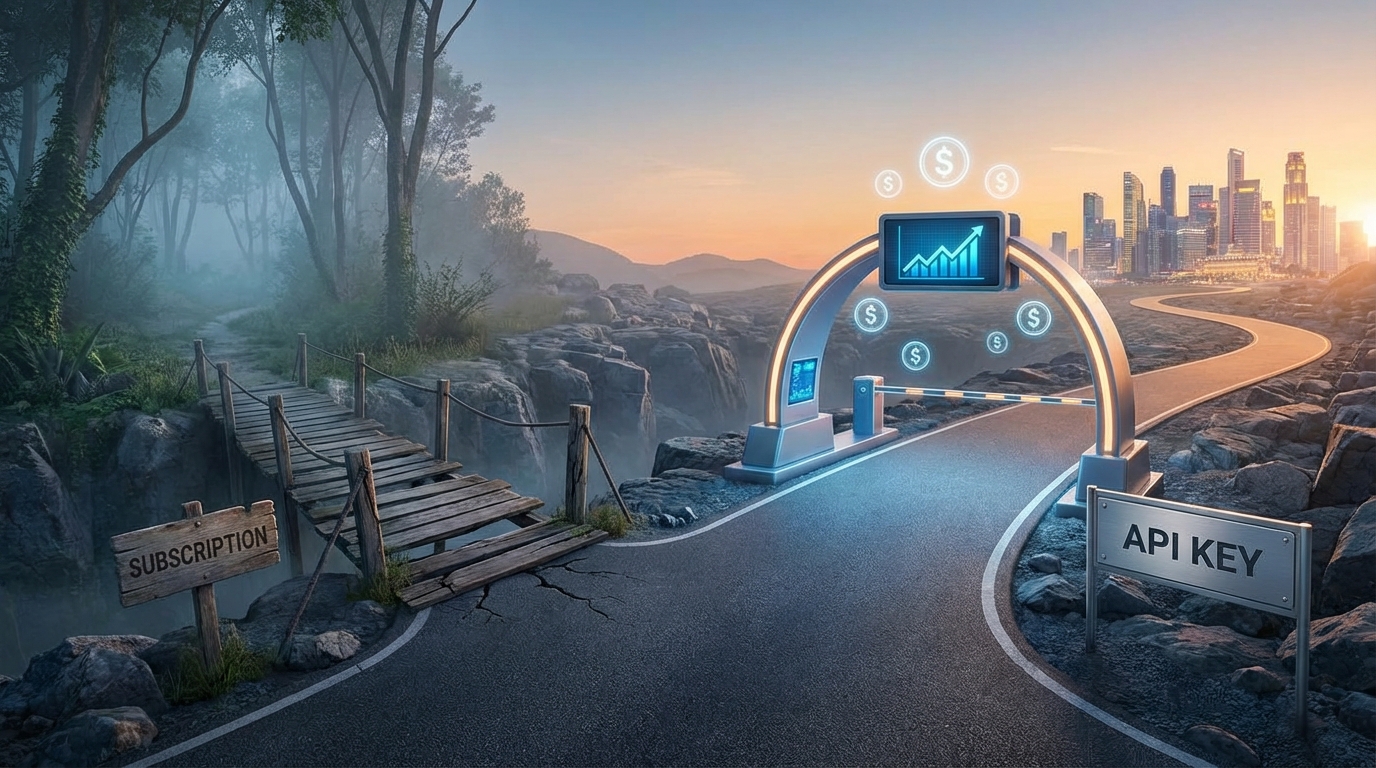
Anthropic stopped treating Claude Pro/Max subscription entitlements as a valid auth path for third-party tools that proxy Claude for heavy, automated use—OpenClaw is the name most people attach to the story, but the framing from Anthropic is broader: subscription SKUs were not built for those usage shapes.
Concrete shifts (as reported across HN discussion and trade press):
- Cutoff time: enforcement tied to April 4, 2026, 12 p.m. PT (after a short delay following a Friday-evening disclosure—timing that drew criticism from some builders).
- What breaks: workflows that routed subscription-backed Claude through external agent platforms instead of official API / usage products.
- Where users are steered: developer API billing and/or “extra usage” bundles tied to a Claude account—i.e. paths that scale with tokens and load rather than a flat monthly cap.
- Goodwill mechanics (reported): one-time credits tied to subscription value, discounts on bundled usage, and refund options for people caught mid-workflow—details vary by tier and region; treat numbers as reporting, not a contract summary.
Boris Cherny (Claude Code leadership) was the visible voice on the product side; Peter Steinberger (OpenClaw) pushed back publicly—including that Anthropic had granted roughly one week of extra runway after negotiation, and that many users had bought Claude specifically to power OpenClaw-style setups.
The real conflict: subscription fiction vs. agent reality
Ignore the brand names for a second. The structural fight is familiar:
- Subscriptions sell predictability: “pay $X, use the product like a human would.”
- Agents optimize for throughput: long contexts, tool calls, retries, background loops—often without the same caching and routing assumptions the provider baked into first-party clients.
When a third-party harness sits in the middle, the vendor loses telemetry, optimization levers, and pricing alignment. From Anthropic’s angle, that is not “a few power users”; it is capacity and margin walking out the door under a SKU that was never priced for it.
From a builder angle, the counter is emotional and practical: you encouraged subscriptions, integrations existed in the wild, and a Friday-night → Saturday enforcement window feels like avoiding daylight on a breaking change—especially when users had organized workflows and bills around the old assumption.
SignalStack’s read: both sides are partly right. The economics were always going to crack; the manners and transition design are what people will remember.
Why it matters
For teams shipping agents
- Cost models: anything that assumed “Claude Max == cheap inference for my daemon” needs a spreadsheet, not a vibe.
- Architecture: official APIs, usage bundles, and first-party surfaces are now the durable integration points—plan for rate limits, billing alarms, and failover models.
For the industry
- This is another datapoint that frontier labs will tighten the seam between consumer subscriptions and platform-scale consumption—peer moves (e.g. other vendors scrutinizing CLI / third-party stacks) belong in the same mental file, even when the public rationale differs.
For trust
- How vendors sunset implicit affordances matters as much as the policy text. Abrupt enforcement windows create FOSS- and indie-tool skepticism even when the underlying math is harsh.
What to watch next
- Migration stories: which teams absorb higher API spend, which switch models or vendors, and which architectures add local models or smaller models for loop control.
- Contract language: expect clearer, louder prohibitions and detection around subscription auth in third-party clients—this file’s facts will age; read Anthropic’s current commercial terms before you bet a product on them.
- Builder responses: forks, proxies, and “official-only” integrations—watch whether the ecosystem consolidates on APIs or splinters into gray-area clients (high risk for both sides).
SignalStack note
We synthesize reporting and primary discussion threads (here, community signal on HN plus follow-on coverage) into structured context. If you need verbatim policy text, pricing tables, or refund eligibility, pull them from Anthropic’s own pages and your account console—do not rely on any third-party summary as legal or commercial advice.